You Never Owned It
The quiet deletion of the things you paid for. And what to do about it.
On 26 June, Sony sent a notice to PlayStation owners across Europe and the UK. From 1 September 2026, 551 films and shows leave their libraries. Terminator 2. Apocalypse Now. The Deer Hunter. Rambo. Pan's Labyrinth. Paddington 2.
These were not rented. They were bought. Full price. Real money.
There will be no refund. No credit. No replacement. Sony's licensing deal with StudioCanal expired. The films go with it. The people who paid keep nothing.
Sony's notice ends with the PlayStation slogan. "Play has no limits."
Read that one word again. Purchased. It meant nothing.
Sony posted a 7.5 billion dollar profit in 2025. A refund on a 14 euro film was affordable. It was declined.
The design worked exactly as written
When you press Buy on a digital storefront, you buy a license. A permission. It can be revoked. The fine print has always said so.
Ubisoft said it plainly in court. Players of The Crew "never owned their copies." They held "a limited license to access the game." Ubisoft's own subscriptions director told players to "get comfortable" with not owning games.
Apple argued the same in a California court. No reasonable customer, it said, expects an iTunes purchase to last forever.
Amazon once deleted paid copies of a book from Kindles overnight. The book was Orwell's 1984. Nobody writing that scene would have dared.
Microsoft's PlaysForSure music died when Microsoft shut the servers. The files were legal. The files were paid for. The files stopped playing.
Every storefront runs this way. The button says Buy. The contract says rent. The gap stays hidden until the day it does not.
Games are next
GTA VI ships in November. The physical edition is a box with a download code. No disc. Once redeemed, it binds to your account. You cannot lend it. You cannot resell it. You cannot keep it.
Sony is already testing a license check on some digital games. Reports describe a console that phones home every 30 days. A game you paid for, waiting on permission to run.
Half of new Xbox consoles ship without a disc drive. This is the roadmap.
What you own when you "buy"
Principle IV of Endurism: ownership is not the same as access.
You do not own the film you bought on PlayStation. You own a receipt. The film stays Sony's. Past the receipt. Past the money. Past you.
Access ends when a contract between two companies ends. You never signed it. You are its collateral.
The legal front
The courts are moving, slowly.
In November 2024, gamers sued Ubisoft in California over The Crew. The claims: false advertising, unfair competition, fraud. The box carried an activation code stamped 2099. The servers died in 2024. The plaintiffs argue the date was a lie.
In March 2026, the French consumer group UFC-Que Choisir sued Ubisoft over the same shutdown. The charge: misleading customers about permanence.
California passed a disclosure law in 2025. Storefronts must now state that Buy means license. A second California bill, the Protect Our Games Act, is moving through the legislature.
This is real. You can back these cases. You can back these bills. The wins will be partial and slow. In June, the EU declined to force publishers to keep games alive. The receipt still loses to the contract, for now.
How to start a revolution
There is a working template. Study it.
In 2024, one man started a campaign called Stop Killing Games. The demand was simple. A game you paid for should not be destroyed at a company's convenience.
Two years later it held 1.29 million verified signatures. A hearing in the European Parliament. A plenary debate. In June 2026 the European Commission declined to legislate. The campaign did not stop. It is now pushing the same demand into the EU Digital Fairness Act and a California bill.
Petitions did not win this. Organised pressure moved a niche complaint into a parliament in twenty-four months. Sign. Fund. Report the deletions. Name the practice every time it happens.
The revolt that works is a purchase
Institutions are slow. Your shelf is not.
The strongest protest against the license model is to stop living inside it. Own the thing. Hold the thing. Make deletion impossible.
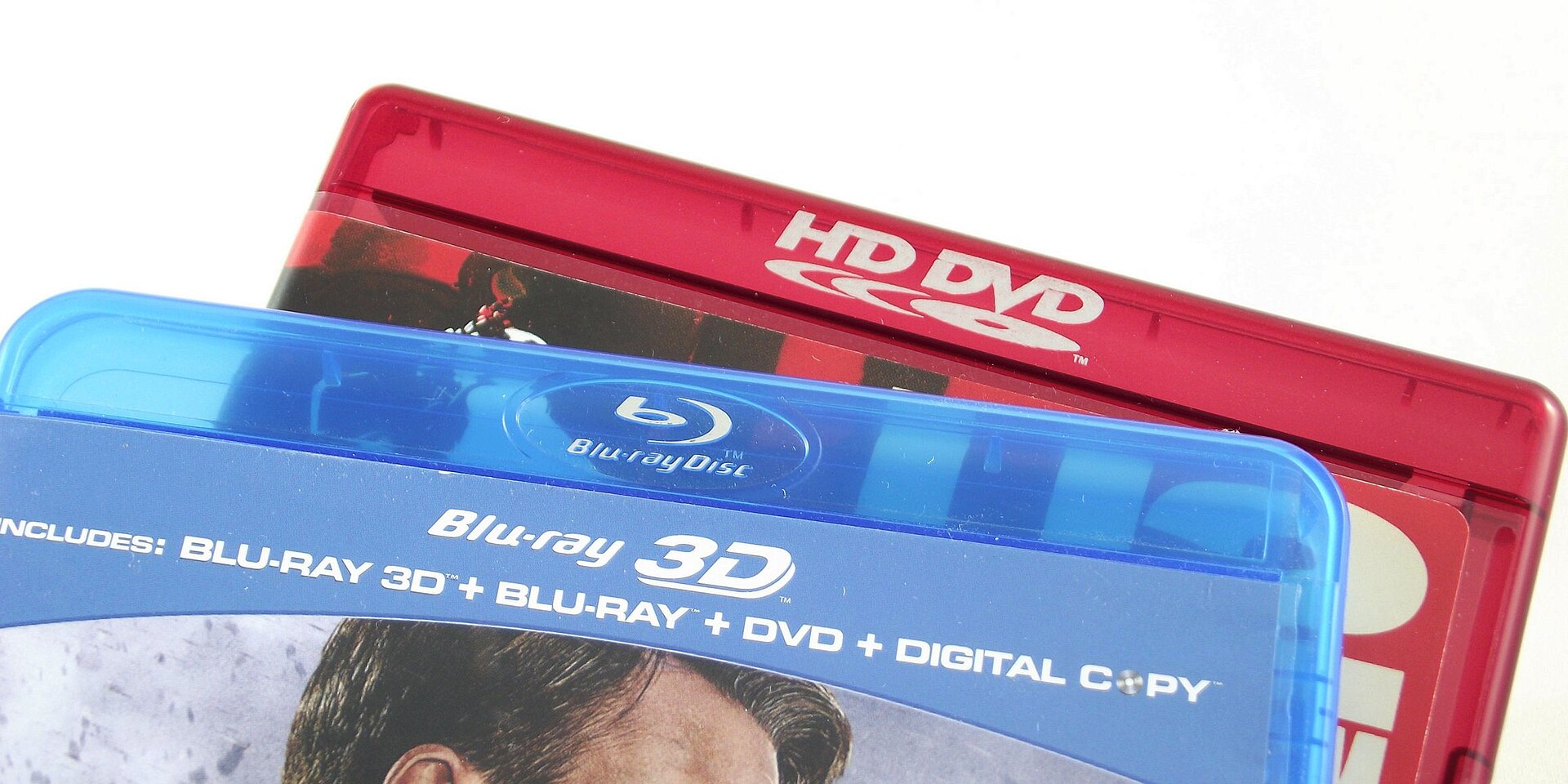
Buy the disc. A 4K Blu-ray costs 20 to 30 euro. It is uncompressed. It outperforms every stream. It cannot be revoked by email. A dedicated player runs 150 to 200 euro and lasts a decade.
Buy the record. Buy the book. Buy the game on a cartridge or a disc that holds its value. Buy secondhand, where the price is lower and the ownership is total.
Back up what you own. Rip your discs. Keep local copies. A file on your own drive answers to no server.
Keep the hardware alive. A disc player usually dies at one part, the laser. That part is replaceable. Repair is refusal.
The company can raise your subscription. It can end a licensing deal. It can delete 551 films with one email. It cannot walk into your room and take the disc off your shelf.
The math, one more time
A 14 euro film on PlayStation is gone on 1 September. The money is gone with it.
A 25 euro disc on your shelf plays on 1 September. And in 2036. And after the storefront that sold it has closed.
One is a rental dressed as a purchase. The other is yours. The difference is the whole game.
Stop renting the things you love.
Own better.