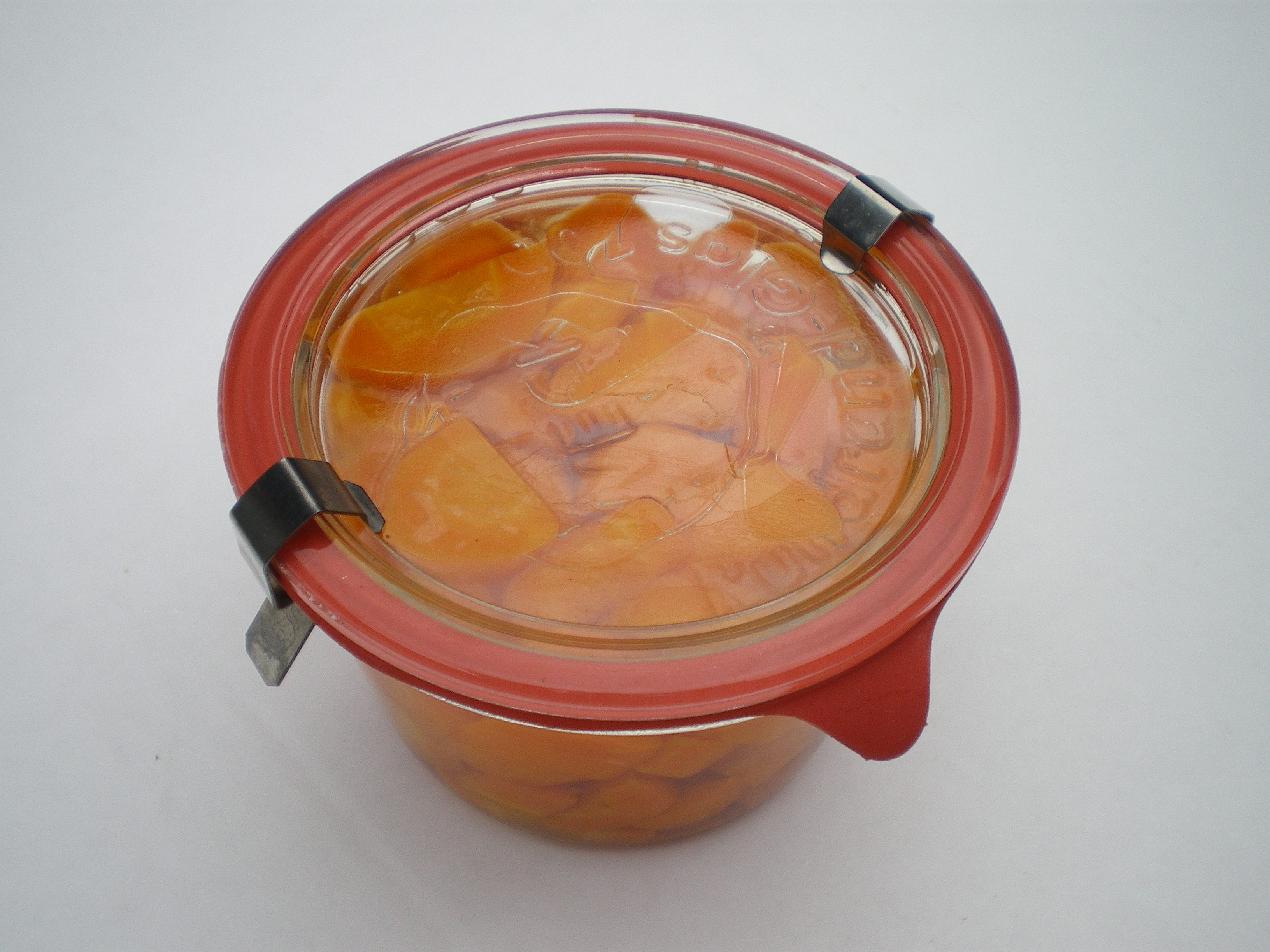
The Weck Jar
Open any kitchen drawer and count the plastic tubs with no lid. Each one was money spent to store food. Each one is now waiting for the bin.
The money
A six-jar Weck set of half-litre glasses costs €20,94 at bol.com. A plastic storage set of similar size costs between €17,95 and €27. The two prices sit almost on top of each other today. One of them you buy once.
Plastic warps in the microwave and stains from tomato sauce. The corners crack and the lids go missing. Then you buy another set. The Weck jar keeps going. When its rubber ring finally perishes, you spend €1,33 and the seal is airtight again.
Behind the tubs sits the quieter receipt. Cling film is €1,05 for fifty metres. Aluminium foil is €1,69 for thirty. You buy both again next month and the month after. A jar you own replaces the wrap you rent.
| Weck glass jar | Plastic tub and film | |
|---|---|---|
| Buy today | €20,94 for six | €18 to €27 per set |
| Wear part | rubber ring, €1,33 | whole tub binned |
| Ongoing cost | none | film and foil, every month |
| After twenty years | still sealing, holds resale | landfill, worth nothing |
The object
The Weck jar has been made in Germany since 1900. It is a straight glass body, a glass lid, a rubber ring and two steel clips. Nothing about it is glued or sealed shut. The rubber ring is the only part that wears. A replacement costs around €1,33. The glass itself outlives the owner.
Ownership
Glass does not age the way plastic degrades. It does not cloud or leach into warm food. A Weck jar looks the same after a decade of daily use. The vintage ones are collected and sell on Marktplaats, which is the clearest sign the object holds value. A plastic tub has no second owner. It has a bin.
There is a second dividend. What you store looks like food again. Leftovers and dry goods live behind clear glass you can stack and see. The kitchen stops hiding its own contents.
Buy the jar once. It is the only thing in the kitchen that will still be sealing in thirty years.
Own better.