← All dossiers
    Electronics

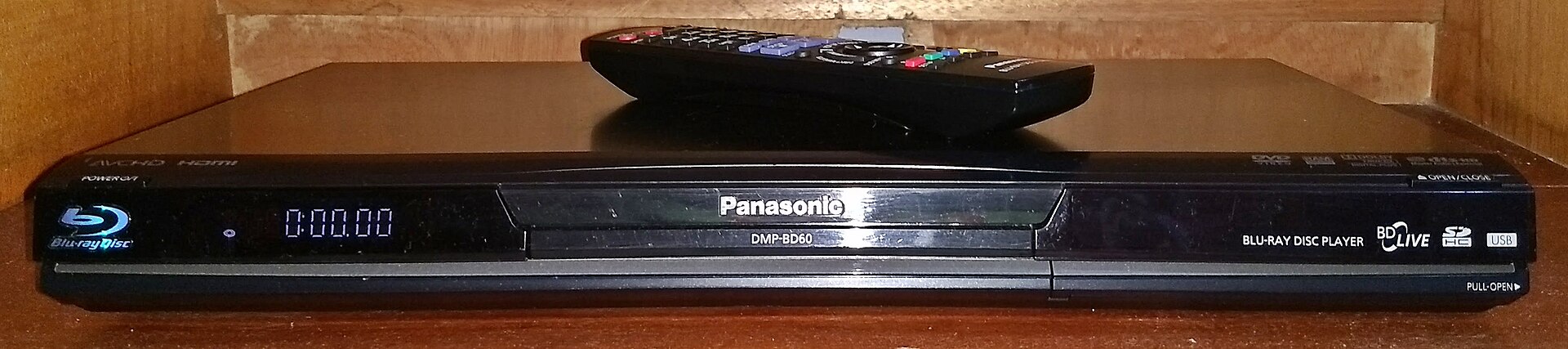
    Panasonic DP-UB820

    Panasonic DP-UB820 4K Blu-ray player

    Panasonic DP-UB820 4K Blu-ray player
    Image: Wikimedia Commons

    Dossier: The 4K Blu-ray Player

    The machine that makes ownership possible. Bought once. Serviced for decades.


    Research frame

    New price, NL retail. The Panasonic DP-UB820 sells for €433 at bol.com, now mostly through third-party sellers as mainstream stock thins. The entry deck, a Panasonic DP-UB154 or a Sony UBP-X700K, runs €150 to €200. The flagship is the Panasonic DP-UB9000. Its Dutch price is not verified here and should be checked before publication.

    Secondhand. The discontinued Oppo UDP-203 and UDP-205 hold €400 to €700 used. They climb as supply thins. Indicative, from Marktplaats and eBay comps.

    Lifespan and repair. A good deck runs 15 to 20 years. It usually dies at one part, the laser pickup. That part is replaceable. The cost is indicative, €40 to €120 plus labour. Verify per model.

    The cheap counterpart. Streaming. Netflix Premium in 4K is €20.99 a month after the July 2026 rise. It is paid forever. It owns nothing.

    The market is thinning. This matters to the whole dossier. Sony and Panasonic are the last mainstream makers. Oppo, Pioneer and Reavon are discontinued. Samsung and LG left years ago. Every current model is a 2018 or 2019 design. Prices rise. They do not fall.


    NCO ledger, electronics variant, three years

    A player is electronics. No patina. No resale dividend. This ledger runs on two numbers. The replacements you avoid. The price of renting access you never own.

    PathYear 0Over 3 yearsOwned after 3 years15-year outlook
    Own it. Panasonic DP-UB820€433€433The deck, plus every disc you keepOne laser service. Still playing every disc ever pressed.
    Rent it. Netflix Premium 4K€0about €756Nothingabout €3,780 paid. Nothing owned. Catalogue rotated.

    The honest line. On a single subscription, the yearly cash for streaming looks lower than building a library. The deck wins the moment you keep a film. It wins outright past year four. The stream can be revoked. The deck cannot.

    The dividend here is a machine bought once against a bill that never stops.


    The object

    There are almost no good 4K Blu-ray players left to buy. Sony and Panasonic are the last two mainstream makers. Every deck on the shelf is a 2018 or 2019 design. The others quit. The survivors raised their prices.

    The Panasonic DP-UB820 is a dedicated 4K deck. It plays every disc format back to CD. It reads a disc at full bitrate. Uncompressed. It outperforms every stream on the market. It sits one step below the €900 flagship, short only the aluminium chassis and the extra audio outputs. €433 buys it.

    The demand is real. In 2025, 4K Blu-ray sales in the United States rose 12 percent, the first growth since 2018. Steelbooks and special editions took two pounds of every ten spent on the format in the UK. People are paying up for the disc. The hardware is the one thing nobody is building.

    Most buyers now feed discs into a PlayStation 5 or an Xbox. The console underperforms a dedicated deck. It phones home. Half of new Xbox consoles ship with no disc drive at all. The console is a license machine wearing the shape of a player. The deck is yours.

    Then the ledger, stated plainly. The deck is €433, once. Netflix Premium is €20.99 a month, until you die or cancel. Three years of that subscription is €756 with nothing to show. Fifteen years is €3,780 with nothing to show. The deck plays for all fifteen. The discs you bought stay on the shelf.

    Now the part that decides everything. A deck dies at the laser. The laser is a cheap, replaceable component. A dead player is thrown out for one reason. Nobody stocks the part. No service exists to fit it. That is engineered failure, sitting inside a €433 machine instead of a €15 shirt. A resole for a boot is a laser for a deck. The man who replaces it keeps a 2018 Panasonic running until 2040.

    Own better.


    Verdict card

    A dedicated deck is bought once. A subscription is paid until you die.


    VO script, 45 to 90 seconds

    The disc sits in the tray.

    Uncompressed. Full bitrate. Better than any stream.

    There are almost no good players left to buy. Two makers remain.

    The others quit. Prices climbed.

    Feed the disc into a console. The console phones home.

    Buy the deck instead. Four hundred euro. Once.

    The subscription is twenty euro a month. Forever.

    Three years of renting. Nothing to keep.

    The deck plays for fifteen years.

    It dies at one part. The laser.

    That part is cheap. That part is replaceable.

    A resole for a boot. A laser for a deck.

    Own the machine. Own the disc.

    Own better.


    Infographic spec

    The chart. Cumulative cost over 15 years, two lines. Bone white background, #F4F1EA. Charcoal ink, #1C1C1C. Roboto Slab.

    Line one, the deck. A flat step at €433, then near-level, with one small rise at year 10 for the laser service.

    Line two, streaming. A straight climb from zero to about €3,780.

    The headline, one number. "€433 once, or €3,780 and counting."

    Footnote. Deck, Panasonic DP-UB820, bol.com. Stream, Netflix Premium 4K, €20.99 a month, July 2026.


    Atomisation plan

    Reel and TikTok. The disc in the tray, macro, natural light. A24 register. No talking head. ElevenLabs voice, calm. Bone and charcoal overlays. One beat: the deck is bought once, the subscription is paid forever. Close on "Own better."

    LinkedIn. The infographic. Headline: "You will pay Netflix €3,780 to own nothing. A player is €433, once." Three tight lines under it. English. The math does the work.

    YouTube. The long-form as a script. Two to four minutes. The hardware gap, the ledger, the laser. Object shots and repair footage. No presenter.

    Newsletter, Dutch, proeftuin. Persoonlijk register. Open with the deck going scarce on Marktplaats. Walk the reader through the 15-year math. Point them to one serviceable player worth buying now, while good ones still exist. Use Substack sections. Skip tags.


    Build note for Job

    This dossier introduces the electronics NCO variant on the horizon list. The template flag: for electronics, drop resale and patina. Run the ledger on replacements avoided plus the support and format window. The dividend is a one-time machine against a subscription that never ends.

    The strategic layer you named. The deck's durability is the repair chain. Whoever stocks laser pickups and runs a service bench decides whether these players live. That is the Vibram-soles logic, moved to electronics.

    The sequence, repair first. Move one is the service and restoration layer for the installed base and the secondhand market. The Oppo UDP-203 and 205 hold their price precisely because nobody services them. Remove that fear. The secondhand hero becomes buyable. The whole Index unlocks behind it.

    Move two, a licensed player, sells on one promise. Serviceable for twenty years. We are the ones who service it. That inverts the economics that killed Sony and Panasonic, whose only revenue was the one-time box. Yours is a lifetime relationship where the service is the product. The co-brand candidate is Magnetar. Pre-funded. Phase three. Gated on the Index proving the audience converts.

    Slots into monetisation. Layer 1, hardware affiliate plus recurring repair and parts. Layer 2, the Index hardware pick and the restoration service. The player is the hardware companion to the Movies, Music, Games and Books dossiers. It is the machine that makes all four ownable.